
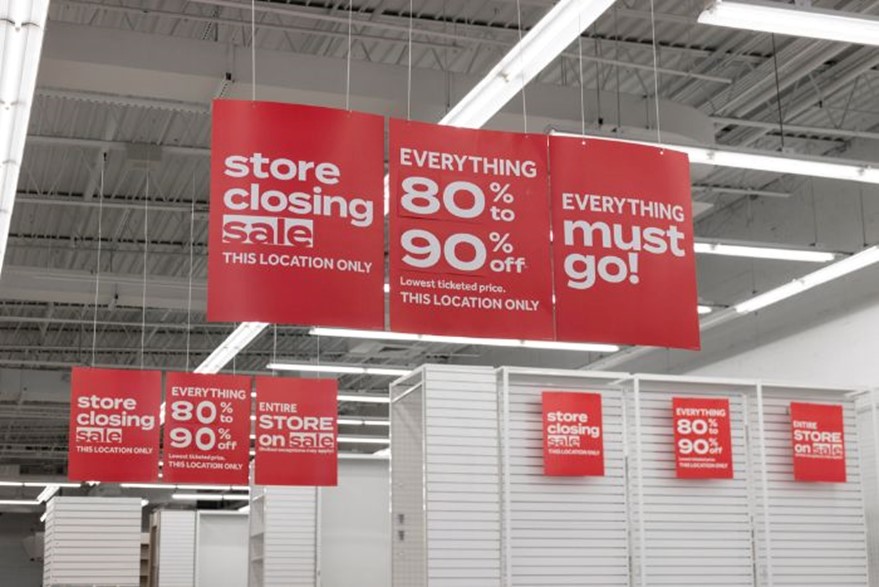
Supermarket equipment auctions in Oklahoma City create exciting opportunities for buyers and sellers alike. Every time a grocery chain remodels, an independent store changes hands, or a commercial kitchen opens, that’s a chance to snag a deal or sell your surplus equipment to an eager bidder. If you’re planning to participate in an upcoming grocery store equipment auction, you need to know what’s in demand and the trends shaping the market right now.
(more…)
Selling equipment at auction might feel unfamiliar if you’ve always relied on private sales. Still, more Oklahoma City business owners are switching to auctions for one simple reason: speed. Private sales can drag on for months while you wait for the right buyer to show interest, only to end up in drawn-out negotiations that test your patience.
Auctions work differently. A set sale date creates urgency and sparks competitive bids, so you can move equipment fast and still position yourself for strong returns. If you’re considering selling equipment at auction for the first time, use the strategies in this guide to get the best possible outcome from your efforts.
(more…)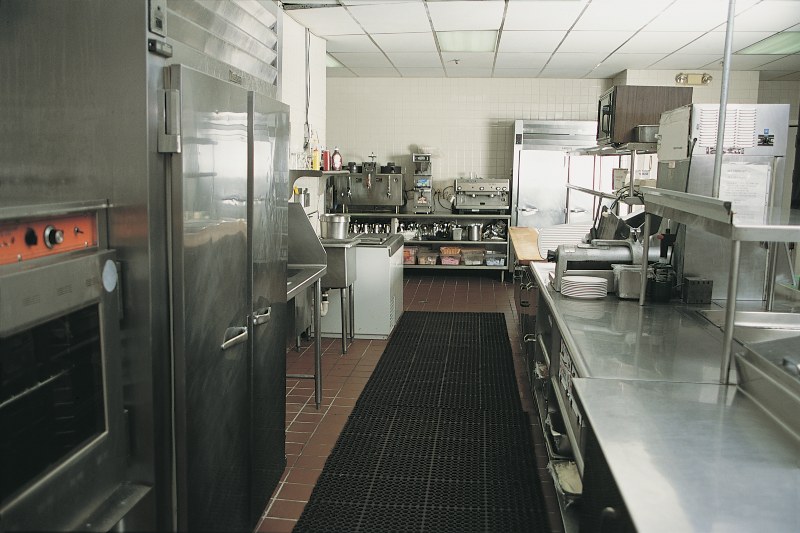
If you’ve been watching the restaurant equipment auction market, you’re already aware that things have been shaking up for the past few years. What was once a niche corner of the restaurant supply industry is now buzzing with opportunity.
2026 foodservice auction trends are reshaping how buyers source equipment. Sellers are also getting smarter about how they liquidate their old kitchen setups. Industry forecasts project strong growth in the used equipment sector as businesses prioritize cost savings, sustainability, and fast turnover. Together, these factors are transforming commercial kitchen equipment auctions from occasional buying opportunities into a mainstream marketplace.
(more…)
Fleet management once meant clipboards, handshake deals, and long afternoons at the auction yard. Companies bought trucks when they needed them and parked aging equipment out back when they didn’t. Then the internet changed everything. Today’s managers expect faster turnarounds, wider buyer pools, and better returns. That shift has pushed more companies toward online fleet auctions as a practical, efficient way to buy and sell used vehicles and equipment.
(more…)
Auctions bring buyers and sellers together to achieve fast sales at fair market prices. Whether you’re upgrading your fleet, closing a business, or hunting for a great deal, participating in an equipment auction could be a smart move. But should you choose an in-person auction, an online format, or a hybrid version of the two? Weigh the pros and cons of each to help you decide what works best for your next Oklahoma City auction experience.
(more…)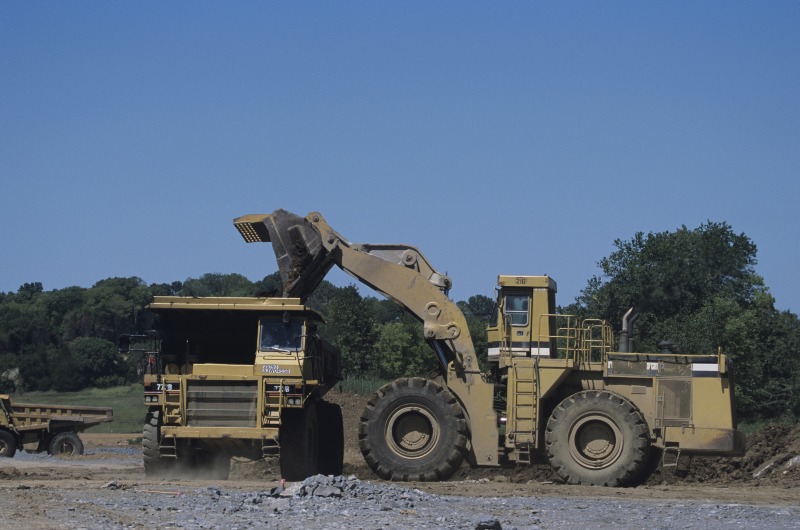
Heavy equipment auctions are exciting, fast-paced environments where savvy bidders can land great deals. But without the right heavy equipment bidding strategies, that excitement can quickly turn into sticker shock and regret. Are you gearing up for your first bid? Perhaps you’re a seasoned pro looking to brush up on heavy equipment auction tips. Either way, the goal is to understand the biggest mistakes people make at auction and how to avoid them so you can walk out a winner.
(more…)
Auctions have always been an effective method of business liquidation, and in recent years, they’ve moved increasingly online. As technology has advanced and consumers have grown accustomed to online shopping, the interest in online auctions has increased dramatically.
(more…)
The restaurant industry is highly competitive, and closure is common. In fact, according to the National Restaurant Association, 17 percent of restaurants fail in their first year, and only about 35 percent make it to the ten year mark.
(more…)
When a business expands or upgrades equipment, there is often outdated equipment or machinery that is no longer needed.
(more…)