
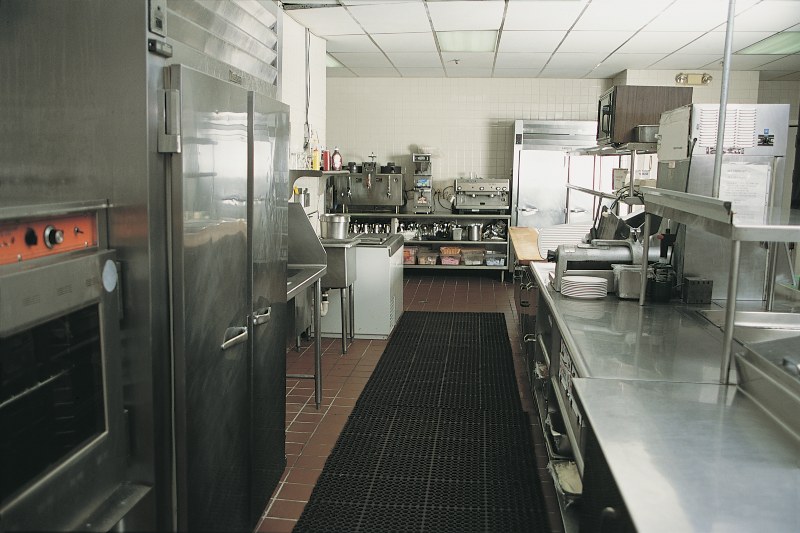
2026 Foodservice Equipment Auction Trends in OKC
If you’ve been watching the restaurant equipment auction market, you’re already aware that things have been shaking up for the past few years. What was once a niche corner of the restaurant supply industry is now buzzing with opportunity.
2026 foodservice auction trends are reshaping how buyers source equipment. Sellers are also getting smarter about how they liquidate their old kitchen setups. Industry forecasts project strong growth in the used equipment sector as businesses prioritize cost savings, sustainability, and fast turnover. Together, these factors are transforming commercial kitchen equipment auctions from occasional buying opportunities into a mainstream marketplace.
Examining Foodservice Equipment Market Trends
Savvy bidders and sellers are paying attention to the trends shaping the foodservice market. Here’s what’s influencing how participants approach restaurant equipment auctions this year.
Preference for Certified Used and Refurbished Equipment
Buyers are increasingly drawn to certified used and refurbished units, and the numbers back it up. The global used restaurant equipment market was estimated at $6.75 billion in 2025, with forecasts indicating the sector will expand to $9.56 billion by 2030 as demand for quality pre-owned kitchen gear continues to rise.
Equipment that has been certified or refurbished earns the most buyer confidence. Certified units give bidders peace of mind that the gear they’re buying at a commercial kitchen equipment auction will perform as expected. Whether it’s a heavy-duty range or a walk-in cooler, the allure is simple: pay less for equipment that works great and still has plenty of life left.
Demand for Energy-Efficient Equipment
Buyers are paying close attention to utility costs, which are reshaping demand in the foodservice equipment market. Energy-efficient refrigeration units, high-efficiency fryers, and modern HVAC systems are drawing the strongest bids at auction because they promise lower monthly operating costs without sacrificing performance. When margins are tight, equipment that reduces electricity or water usage is the most attractive choice.
Strong Interest in Eco-Friendly Options
Environmental responsibility is another factor influencing buying decisions. Many operators want equipment that aligns with their sustainability goals, and choosing used equipment keeps perfectly functional appliances out of landfills. Instead of increasing demand for raw materials to manufacture new units, buyers are opting for existing commercial-grade gear available at foodservice equipment auctions. It’s a practical decision that shapes what buyers want and how aggressively they’re willing to bid.
Micro-Fulfillment and Ghost Kitchen Operations
The rise of ghost kitchens, virtual brands, and micro-fulfillment centers is transforming kitchen footprints across Oklahoma City and beyond. These lean, delivery-first operations demand commercial-grade gear that fits smaller spaces and meets specific workflows.
This is good news for the foodservice equipment auctions world: compact ovens, undercounter refrigeration, and versatile prep stations move fast as buyers look to outfit non-traditional kitchens on a budget. As this segment of the industry continues to grow, it’s pushing 2026 foodservice auction trends toward specialized, demand-driven inventory.
Surge in Online Auction Participation
Gone are the days when buyers had to show up on-site to place their bids. The digital revolution has hit the restaurant equipment auction market head-on, with online auction participation reaching new heights.
The shift to online bidding has become one of the defining 2026 foodservice auction trends. Livestreaming to digital platforms allows buyers from across state lines—or even overseas—to participate in auctions they would not have access to otherwise. This trend is broadening the field, increasing bid activity, and making it easier to complete transactions quickly and at fair market value.
What’s Driving These Market Trends?
The shifts we’re seeing in the restaurant equipment auction market aren’t happening by accident. A few business realities are pushing operators to buy and sell at auction in record numbers. Consider three factors fueling the momentum behind today’s 2026 foodservice auction trends.
Cost Efficiency
Outfitting a brand-new restaurant with equipment can be a massive expense. With rising food and construction costs already straining a startup’s budget, buyers are flocking to auctions where they can snag quality gear at a fraction of the price. This cost-savvy mindset is part of a broader shift toward smarter, value-based purchasing for kitchens, both large and small.
Sustainability
While cost is king, sustainability is an increasingly close contender. The push to reduce waste influences behavior on both sides of the auction block. Buyers recognize the environmental upside of reusing existing equipment, and sellers would rather convert perfectly good surplus gear into capital than send it to a landfill. In this way, extending the lifecycle of commercial kitchen assets benefits everyone involved.
Faster Equipment Turnover
Sellers have another reason to love the current market: quick turnover. Listing equipment piece by piece through private sales can drag on for months. What if instead of storing unused gear and absorbing ongoing costs until a sale finally goes through, sellers could liquidate everything at once?
That’s what auctions offer—a defined sale date, a sense of urgency, and competitive bidding that moves assets faster than any private sale could ever hope to. That steady flow of complete kitchen inventories keeps foodservice equipment auctions fresh and attractive to serious buyers.
Bid or Sell at Our Next Foodservice Equipment Auction
Dakil Auctioneers, Inc. has witnessed these 2026 foodservice auction trends unfold firsthand. Our family-run, full-service auction house has served the Oklahoma City metro area for over 30 years. We proudly host both in-person and online auctions, either from our location or yours. Our experienced staff adds a personal touch by prepping equipment to help ensure a smooth handoff.
Whether you’re outfitting a startup kitchen or liquidating an existing one, please visit our upcoming auctions page or contact us for more information. We’re eager to share what commercial kitchen equipment auctions can do for your business!